
What is Expanded Learning?
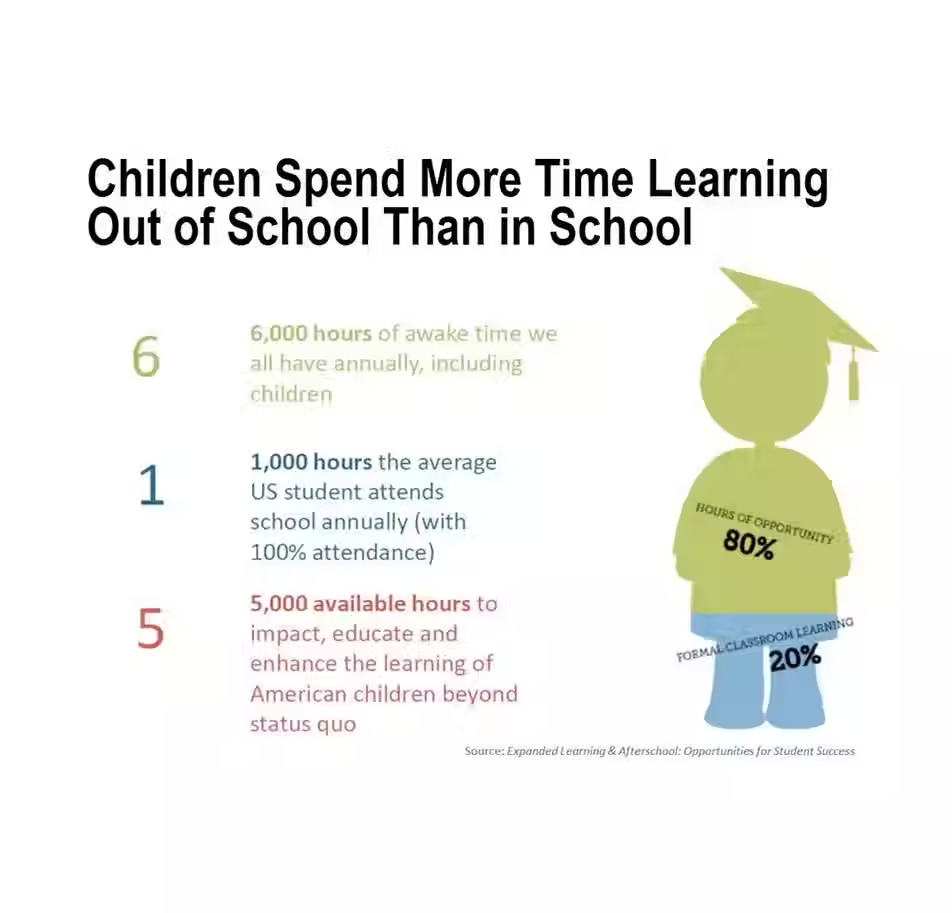
The time students spend out of school is just as important as the time they spend in school. We have the opportunity to ensure kids and young people continue to learn and grow, even outside the traditional classroom.
The term “afterschool” is often used interchangeably with “out-of-school time” (OST) to refer to all youth development programming that occurs beyond the traditional school day, including before school, after school, holiday breaks, weekends, summers, and days off.


Expanded Learning encompasses before school, after school, summer, or intersession learning programs that focus on developing the academic, social, emotional, and physical needs and interests of young people through hands-on, engaging learning experiences.
Quality expanded learning opportunities (ELOs) are youth-centered, make intentional connections between communities and schools through programmatic linkages and real-world experiences, are results driven, include community partners, and complement, but do not replicate, learning activities in the regular school day and school year.
What are the Benefits of Expanded Learning?
Expanded learning helps students thrive by providing hands-on experiences that build confidence, improve academic outcomes, and strengthen critical life skills. It also supports working families and strengthens school-community partnerships that benefit the whole child.


Why Expanded Learning?
Learning doesn’t stop when the school day ends. Expanded learning ensures that all children have access to meaningful opportunities to learn, explore, and grow—helping them reach their full potential both in and out of school.
Demand for programs is enormous. In Oklahoma, the demand for afterschool programs is incredibly high. But just a fraction of Oklahoma families who want afterschool programs have them. Parents value the benefits afterschool programs provide for young people— keeping them safe, helping them build life skills, and getting them excited about learning—and say afterschool programs help parents keep their jobs and provide peace of mind.